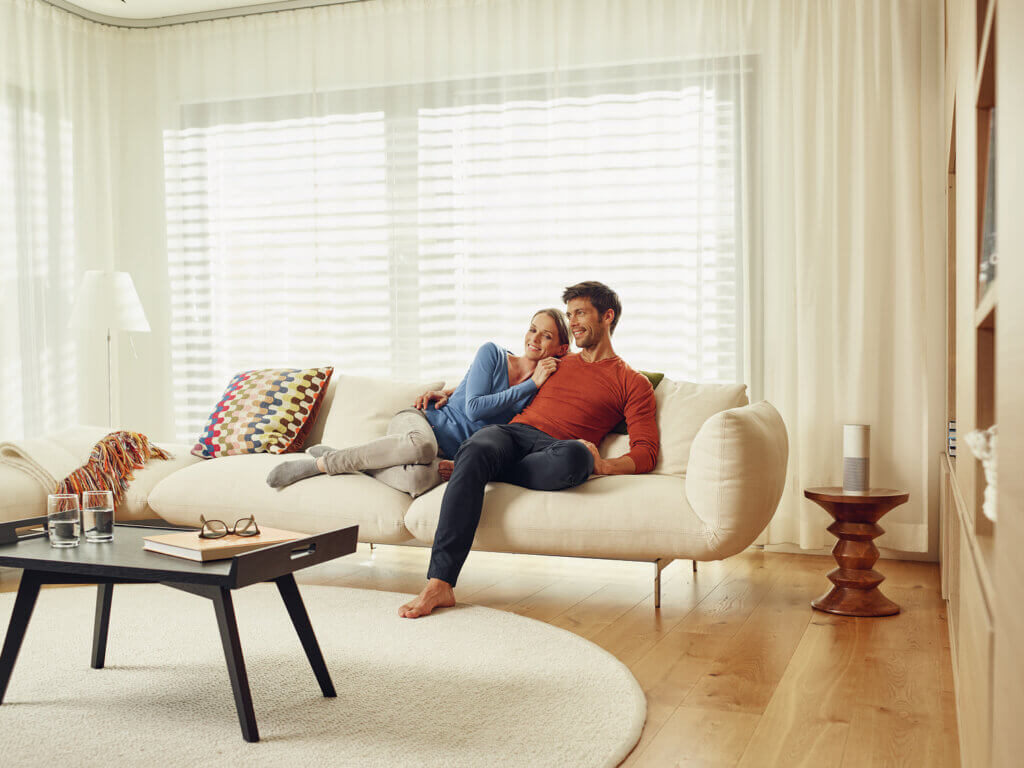
No one wants blinds moving up and down all day for no obvious reason. No one wants a system that overrides the client at the wrong moment. No one wants five apps and a handover folder full of logic the homeowner will never use.
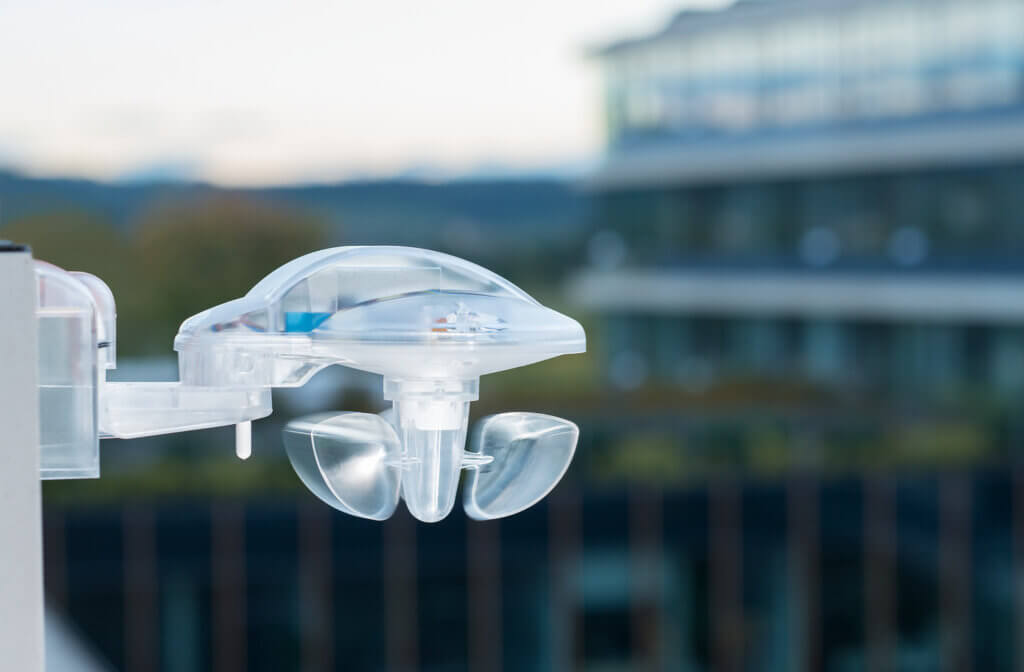
The best results usually come from clear, practical rules. Use weather data where it adds real value. Use room sensors to understand what is happening inside the space. Give the homeowner simple manual control. Avoid over-automation that becomes distracting. Think about seasonal behaviour, not just daily schedules. Make sure lighting and shading support each other.
This is also where open systems become important. Lighting, shading, heating, ventilation and sensors should not be trapped in separate silos. When they can communicate, the building can respond more intelligently.
KNX has a strong role to play here because it is an open standard. It allows products from different manufacturers to work together, giving integrators more freedom in how they design and deliver a project. For those already working with other systems, this does not have to be an either-or conversation. KNX can sit within a wider building automation approach and provide a reliable backbone for functions such as lighting, shading, heating, sensors and weather-based control.
Theben’s view is that smart homes should be practical first. The technology should solve real problems for installers, integrators and end users. That means reliable products, clear commissioning, sensible training and systems that are easy to live with once the installer has left site.
Training is an important part of that. Lighting and shading integration is not just about product choice. It is about design confidence. Integrators need to understand how systems interact, how to avoid over-complication and how to deliver something the homeowner will actually use.
Through Theben Academy, Theben supports installers and integrators with training around KNX, building control and practical system design. That support helps professionals build confidence with the technology, but also with the logic behind it. Because the real skill is not just making the blinds move or the lights dim. It is knowing when they should, why they should, and how that decision supports the building as a whole.
Part O has helped bring overheating into sharper focus. But even beyond compliance, the direction of travel is clear. Homes are becoming better insulated, more airtight and more glazed. Clients want natural light, low energy use and year-round comfort. Those things do not always happen automatically.
They need control.
For the smart home sector, this is a useful moment to reframe the conversation around lighting and shading. It is not just about scenes, luxury or convenience.